Buy deliver24.eu ?
We are moving the project
deliver24.eu .
Are you interested in purchasing the domain
deliver24.eu ?
domain@kv-gmbh.de · 0541-91531010
Buy deliver24.eu ?
Is it a genitive object or an adverbial genitive?
The distinction between a genitive object and an adverbial genitive depends on the function of the genitive in the sentence. A genitive object typically functions as the direct object of a verb, indicating possession or association, while an adverbial genitive modifies the action of the verb, indicating manner, time, place, or other circumstances. To determine whether a genitive is a genitive object or an adverbial genitive, it is important to analyze the role it plays in the sentence and its relationship to the verb and other elements. **
'Genitive or accusative?'
The genitive case is used to show possession or relationship between nouns, while the accusative case is used to show the direct object of a verb. In general, the genitive case is used to indicate ownership or association, while the accusative case is used to indicate the direct object of a verb or the object of a preposition. The choice between genitive and accusative depends on the specific context and the grammatical rules of the language being used. **


Similar search terms for Genitive
Top-Angebote
Products related to Genitive:
-
Northwest Warner Brothers Polar Express The Polar Express Silk Touch Throw Blanket"Snuggle up Holiday style with this fun The Polar Express ""Aboard the Polar Express"" Silk Touch Throw Blanket. Made from 100% polyester, this blanket features a soft and warm fabric that's perfect for keeping you cozy and comfortable."39,99 $*Shipping: 0,00 $Secure redirect to the provider
-
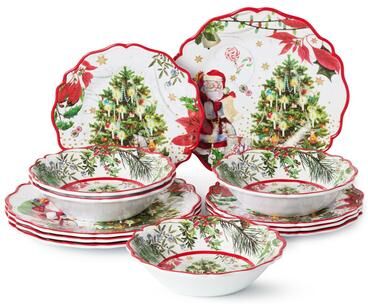
"Certified International Santa's Delivery Melamine 12 pc Dinnerware Set, Service for 4 - 11""L x 11""W x 0.5""H"The holiday table is at its best when everyone is fully present — when no one is worrying about fine china, children are welcome, and the gathering moves from indoors to the patio without a second thought.95,49 $*Shipping: 0,00 $Secure redirect to the provider



-
Genitive or accusative?
The genitive case is used to show possession or relationship between nouns, while the accusative case is used to show the direct object of a verb or the object of certain prepositions. In general, the genitive case is used to indicate possession or belonging, while the accusative case is used to indicate the direct object of a verb or the object of a preposition. The choice between genitive and accusative depends on the specific context and the grammatical rules of the language being used. **
-
Nominative or genitive?
Nominative and genitive are both grammatical cases in many languages, including Latin and German. The nominative case is used for the subject of a sentence, while the genitive case is used to show possession or relationship between nouns. In English, the genitive case is often indicated by adding an apostrophe and an "s" to a noun. **
-
What is the difference between genitive attribute and genitive object?
The genitive attribute is a noun or pronoun that describes another noun by showing possession or association, typically indicated by the use of an apostrophe and the letter "s" ('s) or simply an apostrophe ('). For example, in the phrase "the car's color," "car's" is the genitive attribute describing the color. On the other hand, the genitive object is a noun or pronoun that receives the action of a verb and is also in the genitive case, indicating possession or association. For example, in the phrase "I saw the dog's tail," "dog's" is the genitive object showing possession of the tail. In summary, the genitive attribute describes the noun it is attached to, while the genitive object receives the action of the verb and shows possession or association. **
-
Dative or Genitive 2?
The choice between dative and genitive case in German depends on the verb or preposition being used. "Dative" is used to indicate the indirect object of a sentence, while "genitive" is used to show possession or a relationship between two nouns. "Genitive 2" specifically refers to the genitive case used after certain prepositions, such as trotz (despite) or während (during). It's important to learn the specific prepositions and verbs that require either dative or genitive case in order to use them correctly in German sentences. **


What is the difference between the genitive attribute and the genitive object?
The genitive attribute is a noun or pronoun that is used to describe another noun, showing possession or relationship, and is typically placed before the noun it is modifying. For example, "the car's color" where "car's" is the genitive attribute. On the other hand, the genitive object is a noun or pronoun that is the direct object of a verb and is in the genitive case to show possession or relationship. For example, "I saw the dog's tail" where "tail" is the genitive object. In summary, the genitive attribute describes a noun, while the genitive object is the direct object of a verb and shows possession or relationship. **
What is a genitive construction?
A genitive construction is a grammatical structure that shows possession or relationship between two nouns. It typically involves the use of an apostrophe followed by an "s" ('s) to indicate ownership, such as "the dog's tail." Genitive constructions can also be formed using prepositions like "of," as in "the tail of the dog." These constructions are commonly used in English to express possession, origin, or association. **
Top-Angebote
Products related to Genitive:
-
Viz Media The Art Of Kikis Delivery Service - Studio Ghibli LibraryThe Art of Kiki's Delivery Service Description: Now that she's 13 years old; it's time for young Kiki to start thinking about her future. So one night; under the light of a full moon; she grabs her black cat; Jiji; hops on her mother's broom and heads off into the night. The next day she alights upon a friendly Oceanside city; and this; she tells her loyal and furry companion; is where she'll spend the next year learning how to become a real; honest-to-goodness witch. Related Tags: Viz Media, Viz Media LLC17,99 £*Shipping: 2,99 £Secure redirect to the provider
-
Northwest Warner Brothers Polar Express The Polar Express Silk Touch Throw Blanket"Snuggle up Holiday style with this fun The Polar Express ""Aboard the Polar Express"" Silk Touch Throw Blanket. Made from 100% polyester, this blanket features a soft and warm fabric that's perfect for keeping you cozy and comfortable."39,99 $*Shipping: 0,00 $Secure redirect to the provider
-
"Certified International Santa's Delivery Melamine 12 pc Dinnerware Set, Service for 4 - 11""L x 11""W x 0.5""H"The holiday table is at its best when everyone is fully present — when no one is worrying about fine china, children are welcome, and the gathering moves from indoors to the patio without a second thought.95,49 $*Shipping: 0,00 $Secure redirect to the provider
-
Is it a genitive object or an adverbial genitive?
The distinction between a genitive object and an adverbial genitive depends on the function of the genitive in the sentence. A genitive object typically functions as the direct object of a verb, indicating possession or association, while an adverbial genitive modifies the action of the verb, indicating manner, time, place, or other circumstances. To determine whether a genitive is a genitive object or an adverbial genitive, it is important to analyze the role it plays in the sentence and its relationship to the verb and other elements. **
-
'Genitive or accusative?'
The genitive case is used to show possession or relationship between nouns, while the accusative case is used to show the direct object of a verb. In general, the genitive case is used to indicate ownership or association, while the accusative case is used to indicate the direct object of a verb or the object of a preposition. The choice between genitive and accusative depends on the specific context and the grammatical rules of the language being used. **
-
Genitive or accusative?
The genitive case is used to show possession or relationship between nouns, while the accusative case is used to show the direct object of a verb or the object of certain prepositions. In general, the genitive case is used to indicate possession or belonging, while the accusative case is used to indicate the direct object of a verb or the object of a preposition. The choice between genitive and accusative depends on the specific context and the grammatical rules of the language being used. **
-
Nominative or genitive?
Nominative and genitive are both grammatical cases in many languages, including Latin and German. The nominative case is used for the subject of a sentence, while the genitive case is used to show possession or relationship between nouns. In English, the genitive case is often indicated by adding an apostrophe and an "s" to a noun. **
Similar search terms for Genitive
-
Feminax Express 342mg - 16 TabletsFeminax Express is a painkiller designed to provide fast, effective relief from menstrual cramps commonly experienced during a woman’s period. Feminax Express is a reliable period pain relief treatment that contains ibuprofen to help reduce pain and discomfort caused by menstrual cramps so you can continue with your day pain-free.4,49 £*Shipping: 2,90 £Secure redirect to the provider
-
Adobe Express Premium - 1 YearAdobe Express Premium is Adobe's all-in-one design platform, designed to simplify content creation, even without graphic design experience. From social media posts to logos, CVs, advertisements and short videos, you can create everything with ease thanks to drag-and-drop functionality. Compatible with Windows, macOS and web, the Adobe Express Premium licence is available for a duration of 6 months and 1 year. No automatic renewal and no penalties to pay: genuine licence from Adobe Certified Reseller at the best price. What is included with Adobe Express Premium? By purchasing an Adobe Express Premium licence, you have access to: Regular updates – As it is an Adobe subscription licence, you receive all online updates Cross-platform compatibility – Works on Windows, macOS and web 100GB of cloud storage – Included in the plan 250 monthly credits for generative AI (powered by Adobe Firefly) Over 195 million royalty-free Adobe Stock resources (photos, videos and music) Smart editing tools – Background removal (images + video), 1-click resizing, real-time collaboration and Brand Kit for consistent branding. Perfect for freelancers, marketers, entrepreneurs or students who want to create professional content in a short time. Which Adobe software should you choose? Quick opinion Not sure if Adobe Express Premium is right for you? If you have doubts, you can consider the table below which compares some of the Adobe software for sale on PrimeLicense, to choose the most suitable for you. Main feature Adobe Express Premium Adobe Photoshop Adobe Photography plan Adobe Creative Cloud Main feature Design editor, templates, generative AI, social media Advanced editing, professional photo retouching, compositing, AI filters Photo catalogue management, RAW editing All Adobe software Software included Adobe Express Photoshop Photoshop + Lightroom 20+ Adobe applications Cloud storage 100 GB 100 GB 20 GB 100 GB per user Reference user Casual creators, social media managers, professionals Photographers, designers, professional retouchers Photographers, photography enthusiasts, content creators Designers, agencies, creative teams, full-service professionals Choose Adobe Express Premium if you are a creative who needs professional design. Choose Adobe Photoshop if you are a photographer or designer who works mainly on advanced editing and professional image retouching, and do not need other software. Adobe Creative Cloud is excellent for a full-service professional or a creative team that needs access to all Adobe software. Finally, Adobe Photography Plan if you are a serious photographer who wants Photoshop for editing and Lightroom for RAW catalogue management and complete photography workflow. What is the difference between Adobe Express and Canva Pro? Canva Pro is an excellent tool for those who need general use or quick designs with templates. For those looking for more power, flexibility and integration, Adobe Express is the best choice. Below the table...59,90 £*Shipping: 0,00 £Secure redirect to the provider
-
What is the difference between genitive attribute and genitive object?
The genitive attribute is a noun or pronoun that describes another noun by showing possession or association, typically indicated by the use of an apostrophe and the letter "s" ('s) or simply an apostrophe ('). For example, in the phrase "the car's color," "car's" is the genitive attribute describing the color. On the other hand, the genitive object is a noun or pronoun that receives the action of a verb and is also in the genitive case, indicating possession or association. For example, in the phrase "I saw the dog's tail," "dog's" is the genitive object showing possession of the tail. In summary, the genitive attribute describes the noun it is attached to, while the genitive object receives the action of the verb and shows possession or association. **
-
Dative or Genitive 2?
The choice between dative and genitive case in German depends on the verb or preposition being used. "Dative" is used to indicate the indirect object of a sentence, while "genitive" is used to show possession or a relationship between two nouns. "Genitive 2" specifically refers to the genitive case used after certain prepositions, such as trotz (despite) or während (during). It's important to learn the specific prepositions and verbs that require either dative or genitive case in order to use them correctly in German sentences. **
-
What is the difference between the genitive attribute and the genitive object?
The genitive attribute is a noun or pronoun that is used to describe another noun, showing possession or relationship, and is typically placed before the noun it is modifying. For example, "the car's color" where "car's" is the genitive attribute. On the other hand, the genitive object is a noun or pronoun that is the direct object of a verb and is in the genitive case to show possession or relationship. For example, "I saw the dog's tail" where "tail" is the genitive object. In summary, the genitive attribute describes a noun, while the genitive object is the direct object of a verb and shows possession or relationship. **
-
What is a genitive construction?
A genitive construction is a grammatical structure that shows possession or relationship between two nouns. It typically involves the use of an apostrophe followed by an "s" ('s) to indicate ownership, such as "the dog's tail." Genitive constructions can also be formed using prepositions like "of," as in "the tail of the dog." These constructions are commonly used in English to express possession, origin, or association. **
* All prices are inclusive of VAT and, if applicable, plus shipping costs. The offer information is based on the details provided by the respective shop and is updated through automated processes. Real-time updates do not occur, so deviations can occur in individual cases. ** Note: Parts of this content were created by AI.